

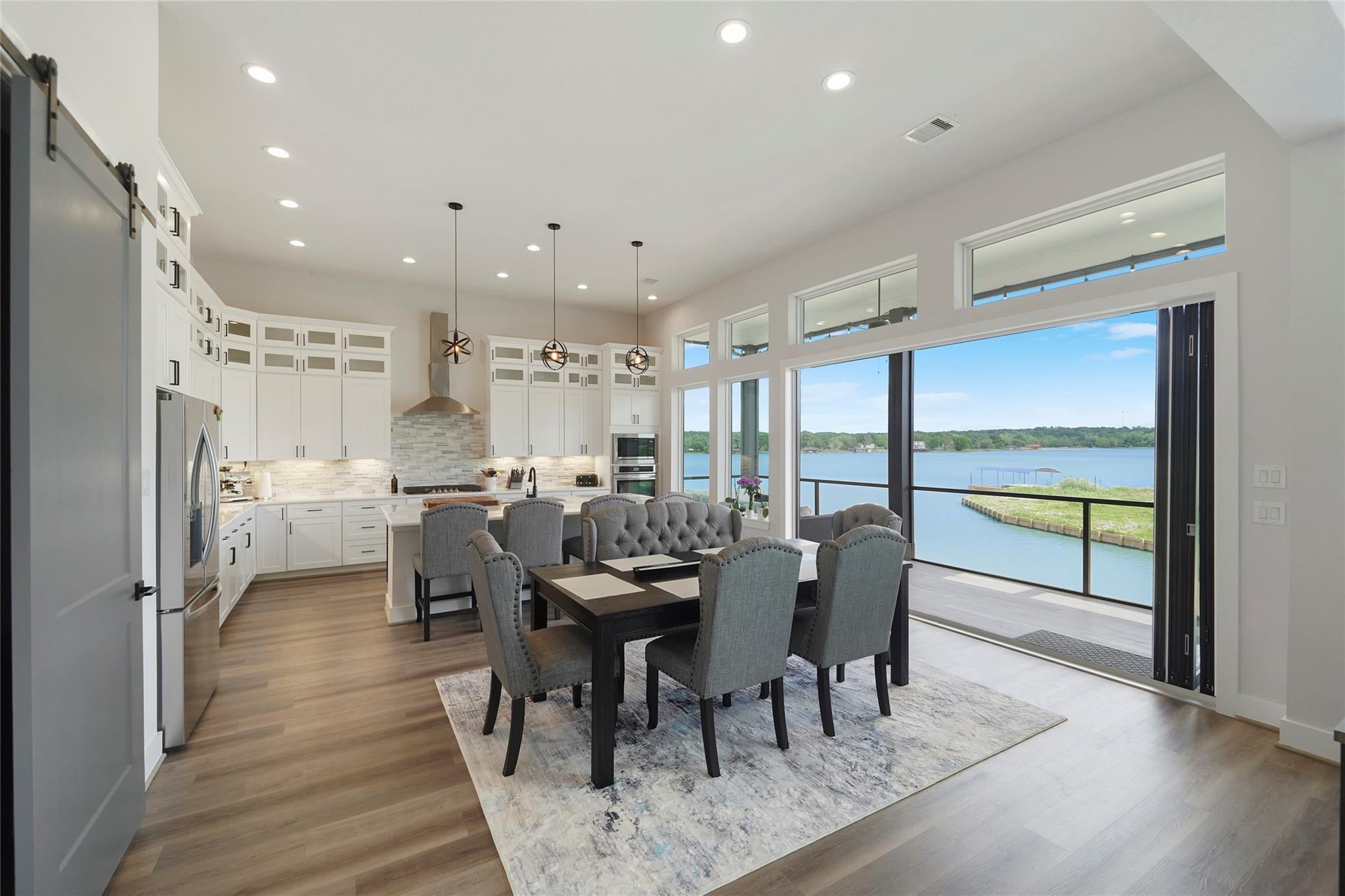
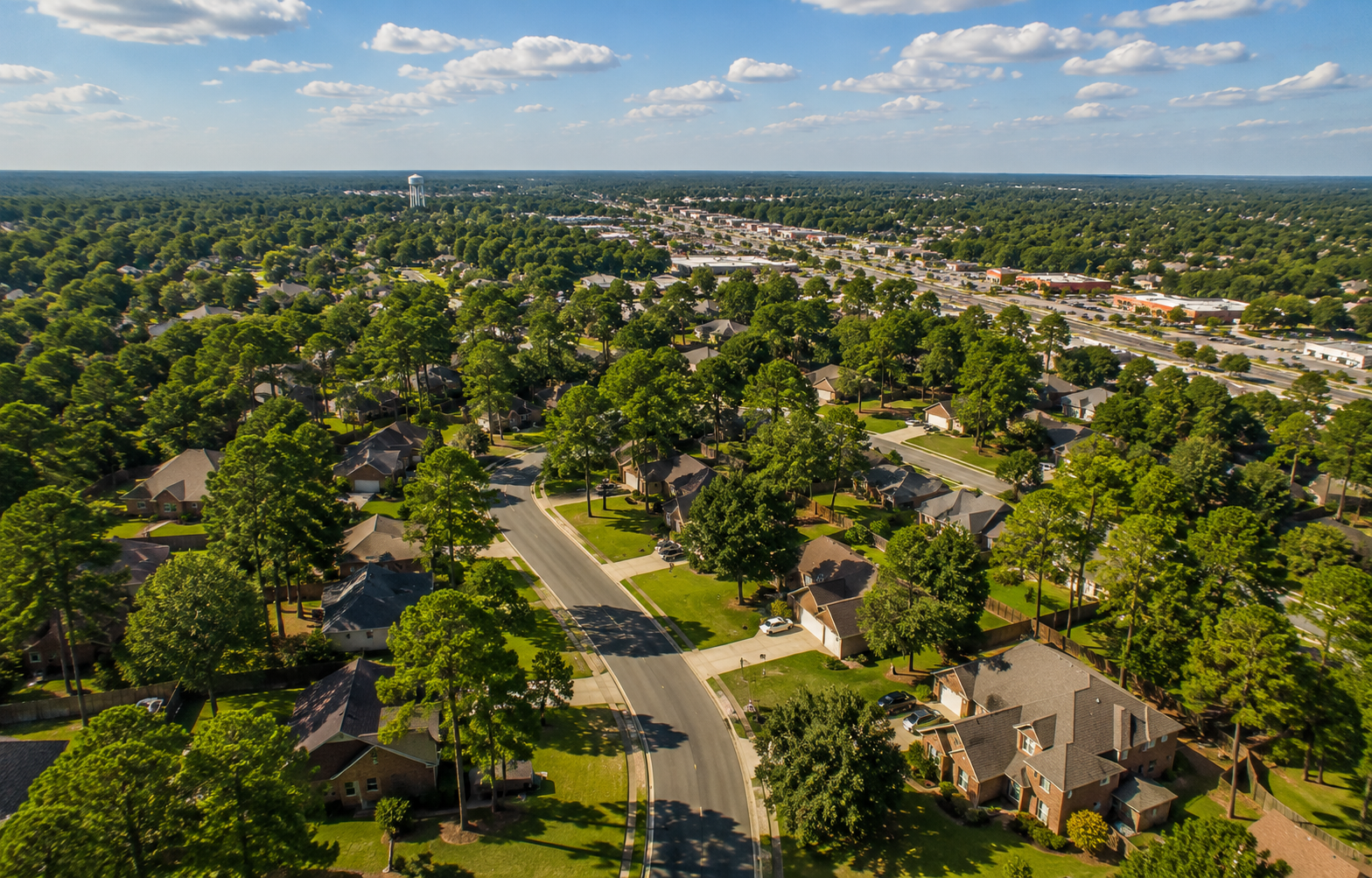
If you've started looking at homes in Spring, Texas, you've probably noticed something confusing pretty quickly: two properties with the same "Spring, TX" address can look like they belong in entirely different places. One might sit walking distance from Old Town Spring's antique shops. Another might back up to a nature preserve near The Woodlands. A third might be a brand-new home on a half acre wooded lot in Montgomery County, thirty minutes from the first two.
That's not a fluke of bad search filters. It's the nature of Spring itself.
Before you tell us you want to live in "Spring," we usually ask a follow-up question: which Spring do you mean? Because that answer changes almost everything about your home search—the school district your kids would attend, your commute, your county, the style of homes available, and the day-to-day feel of the neighborhood. Moving to Spring, Texas without understanding this upfront is one of the more common mistakes we see out-of-area buyers make, and it's an easy mistake to avoid once you know what to look for.
This guide walks through what living in Spring TX actually involves—the geography, the school districts, the lifestyle differences, and the practical questions that come up when you're relocating to the Houston area and considering Spring as your landing spot.
So, Where Exactly is Spring, Texas?
Here's the first thing that surprises a lot of relocating buyers: there is no incorporated city of Spring. Spring is a census-designated place; an unincorporated community with no city hall, no mayor, and no official city limits. It's governed at the county level rather than by its own municipal government.
That matters because "Spring, TX" as a mailing address is really a postal designated covering a large swath of northern Harris County that also spills into southern Montgomery County. This historic core, what's now called Old Town Spring, near the intersection of Spring-Cypress Road and Hardy Road, covers only about half a square mile. The area that people casually refer to as "Spring" today is dramatically larger than the original town, stretching for miles in every direction.
Because Spring isn't incorporated and has no fixed boundary, the U.S. Postal Service's "Spring, TX" designation ends up covering neighborhoods with very different governments, school districts, and price points. That's the root of the confusion and the reason this guide exists.
Why Two Spring TX Addresses Can Feel Completely Different
Three separate school districts serve homes with Spring addresses: Spring ISD, Klein ISD, and Conroe ISD. A pocket of homes even falls under Tomball ISD. Two different counties—Harris and Montgomery—levy property taxes and provide services depending on where the line falls. And the physical distance between the northernmost and southernmost "Spring" addresses is substantial enough that commute times, lot sizes, and even the age of the housing stock vary widely from one pocket to the next.
Put simply: "Spring" describes a region, not a neighborhood. If someone tells you they live in Spring, that tells you roughly where they are on the map but almost nothing about their school zoning, their commute, or what their street looks like. Figuring out which part of Spring fits the way you want to live is the real first step in a relocation search, well before you start comparing floor plans.
Understanding the Different Areas of Spring
Spring ISD and Eastern Spring
Much of the area generally east of I-45 in northwest Harris County falls within Spring ISD boundaries, though and this is worth repeating, school zoning has to be verified for each specific address rather than assumed from a map. This part of Spring includes many of the community's most established neighborhoods, along with Old Town Spring itself, the walkable historic district known for its antique shop, cafés, and the Wunsche Brothers building.
Eastern Spring tends to have a longer development history than some of the newer master-planned communities to the north and west, which means a wider mix of home ages, lot sizes, and price points. It also has strong access to I-45 and the Hardy Toll Road, both of which run through this side of the community and make commuting toward central Houston straightforward for residents who work downtown or in the Energy Corridor.
Klein and Western Spring
Cross to the west side of I-45 and a larger share of Spring-addressed home falls within Klein ISD, a district headquartered in the Klein community itself and covering roughly 87 square miles of northwest Harris County. Klein ISD's boundaries extend into portions of the Spring postal area, as well as parts of Tomball and North Houston.
Western Spring's residential character skews toward a mix of long-established subdivisions from the 1980s and 90s alongside newer infill development closer to Louetta Road, Kuykendahl, and Cypresswood. Shopping and dining options are dense here, with retail corridors along Louetta and FM 2920 serving the surrounding neighborhoods. Because this area developed somewhat earlier and more continuously than the Montgomery County side, lot sizes tend to run smaller on average, though larger-lot pockets exist throughout.
Montgomery County Spring
Head north and the Spring postal designation crosses into unincorporated Montgomery County. This is where you'll find newer communities like Imperial Oaks, Benders Landing, Harmony, Spring Trails, and Woodson's Reserve—most of which sit within Conroe ISD.
This part of the Spring area has grown quickly over the past two decades, driven largely by the expansion of the Grand Parkway (SH 99) and its proximity to The Woodlands. Homes here skew newer, and it's more common to find larger homesites, wooded lots, and community amenities packages—pools, trail systems, and recreation centers—that are typical of newer master-planned development. Benders Landing, for example, is known for larger lots and a more secluded, heavily wooded setting compared to some of the denser subdivisions closer to I-45.
It's worth noting that Montgomery County generally carries different property tax rates than Harris County, and the county services—road maintenance, law enforcement response, permitting—are handled separately as well. If you're comparing a Harris County Spring address to a Montgomery County one, you're really comparing two different local governments, not just two neighborhoods.
Spring and The Woodlands
This is where things get genuinely confusing for people searching from out of state, and it's worth slowing down on. The Woodlands is a distinct master-planned community with its own township government, identity, and brand but a portion of it carries a Spring mailing address rather than "The Woodlands, TX" on the envelope. Specifically, the villages like Panther Creek and parts of Cochran's Crossing, Grogan's Mill and Creekside Park are addressed as Spring, TX, even though residents and local marketing overwhelmingly refer to the area as The Woodlands.
The reason comes down to how the U.S. Postal Service assigns ZIP codes and city designations, which don't always match how residents, real estate listings, or local marketing refer to a community. So when you search "Spring TX homes for sale" online, you may see results ranging from an older subdivision near Old Town Spring to a home inside The Woodlands proper that simply happens to fall in the a Spring-addressed ZIP code. Both are technically correct—the postal address says Spring—but the day-to-day experience, amenities, and often the school district can differ substantially.
If you're relocating and a listing description references The Woodlands but the address says Spring, it's worth asking your agent directly which taxing jurisdiction, township services, and school district actually apply to the specific property.
What Is It Like Living in Spring, TX?
Lifestyle in Spring depends heavily on which pocket you land in, which is really the theme running through this entire guide.
Choose a home near Old Town Spring and your day-to-day probably includes a walkable historic district, easy access to I-45 and the Hardy Toll Road, and a neighborhood with decades of established landscaping and mature trees. Choose a home in Benders Landing or Imperial Oaks and you're looking at a newer, quieter, more wooded setting with larger lots, community amenity centers, and a drive of ten to fifteen minutes to reach The Woodlands' shopping, dining, and entertainment. Choose Creekside Park and you get a walkable, newly built village with its own Village Green retail center, extensive parks, and direct access to the George Mitchell Nature Preserve's hiking and kayaking trails.
Across nearly all of the Spring area, residents benefit from proximity to The Woodlands' major retail and entertainment destinations like Market Street, The Woodlands Mall, and the Cynthia Woods Mitchel Pavilion, without necessarily paying Woodlands-level home prices. Access to Houston's major employment centers, including the Energy Corridor and downtown, runs primarily along I-45 and the Hardy Toll Road, with the Grand Parkway (SH 99) providing an east-west connector for reaching The Woodlands, Tomball, and points further out without funneling through I-45 traffic.
Medical access to strong throughout the area, with Houston Methodist and HCA facilities serving different pockets of Spring, including a newer medical hub under development in Creekside Park.
Getting Around: Houston, The Woodlands, I-45 and Grand Parkway
Commute planning is one of the most practical reasons to understand Spring's geography before you buy. I-45 is the spine of the area, running north-south and connecting Spring directly to downtown Houston to the south and Conroe to the north. The Hardy Toll Road runs roughly parallel to I-45 on the east side and offers a faster, less congested alternative into central Houston during peak commute hours for residents on that side of the community.
The Grand Parkway (SH 99) cuts east-west across the northern portion of the Spring area, linking Montgomery County communities like Imperial Oaks and Benders Landing to The Woodlands, Tomball, and the broader ring of Houston suburbs without requiring a trip down to I-45. For a relocating buyer, this means your commute time to a specific employer can vary by twenty minutes or more depending on which side of Spring you choose—it's worth mapping your actual commute from specific addresses rather than assuming "Spring" puts you in one general drive-time bracket.
Shopping, Dining, and Things to Do
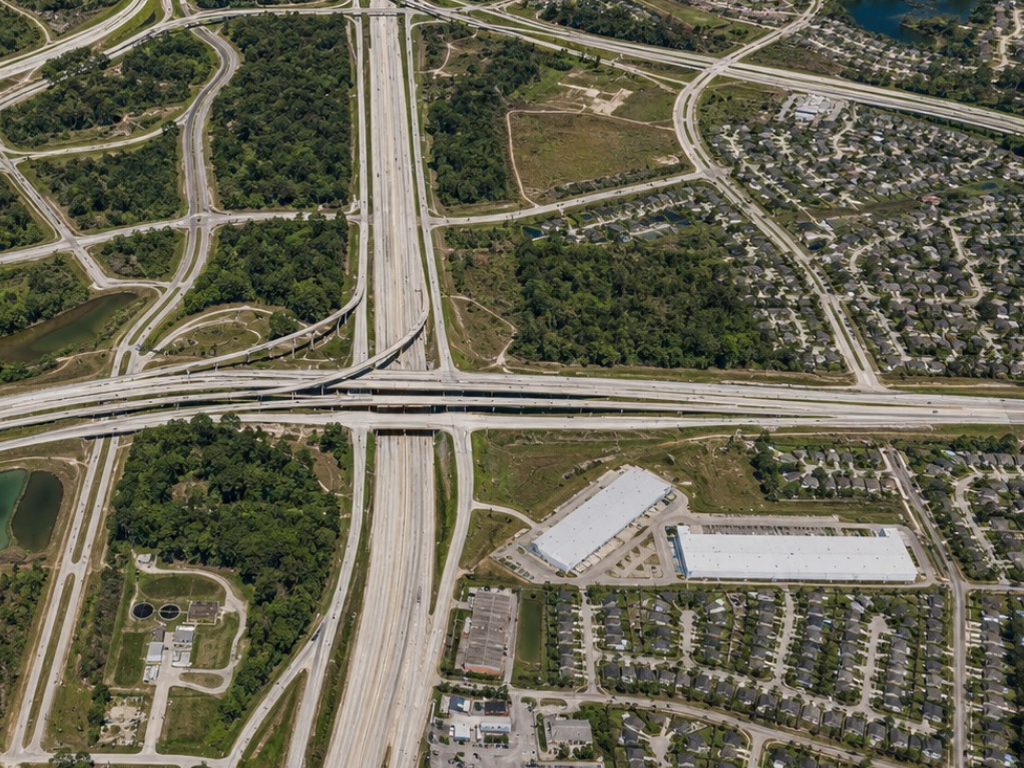
Old Town Spring remains the area's most distinctive draw—a restored early-1900s railroad village with more than a hundred shops, restaurants, and seasonal festivals, anchored by the historic Wunsche Brothers building. It's a genuine point of local identity in a way that newer retail centers aren't.
Beyond Old Town Spring, retail options shift depending on which part of the area you're in. Western Spring residents lean on Louetta Road and FM 2920 corridors. Montgomery County residents are close enough to The Woodlands to treat Market Street and The Woodlands Mall as their primary shopping and dining destination. Creekside Park residents have their own walkable Village Green with restaurants, a movie theater, and everyday retail within the neighborhood itself. Outdoor recreational is well represented throughout, from the George Mitchell Nature Preserve's trail network to the many neighborhood parks built into newer master-planned communities.
What Kind of Homes Can You Find in Spring, TX?
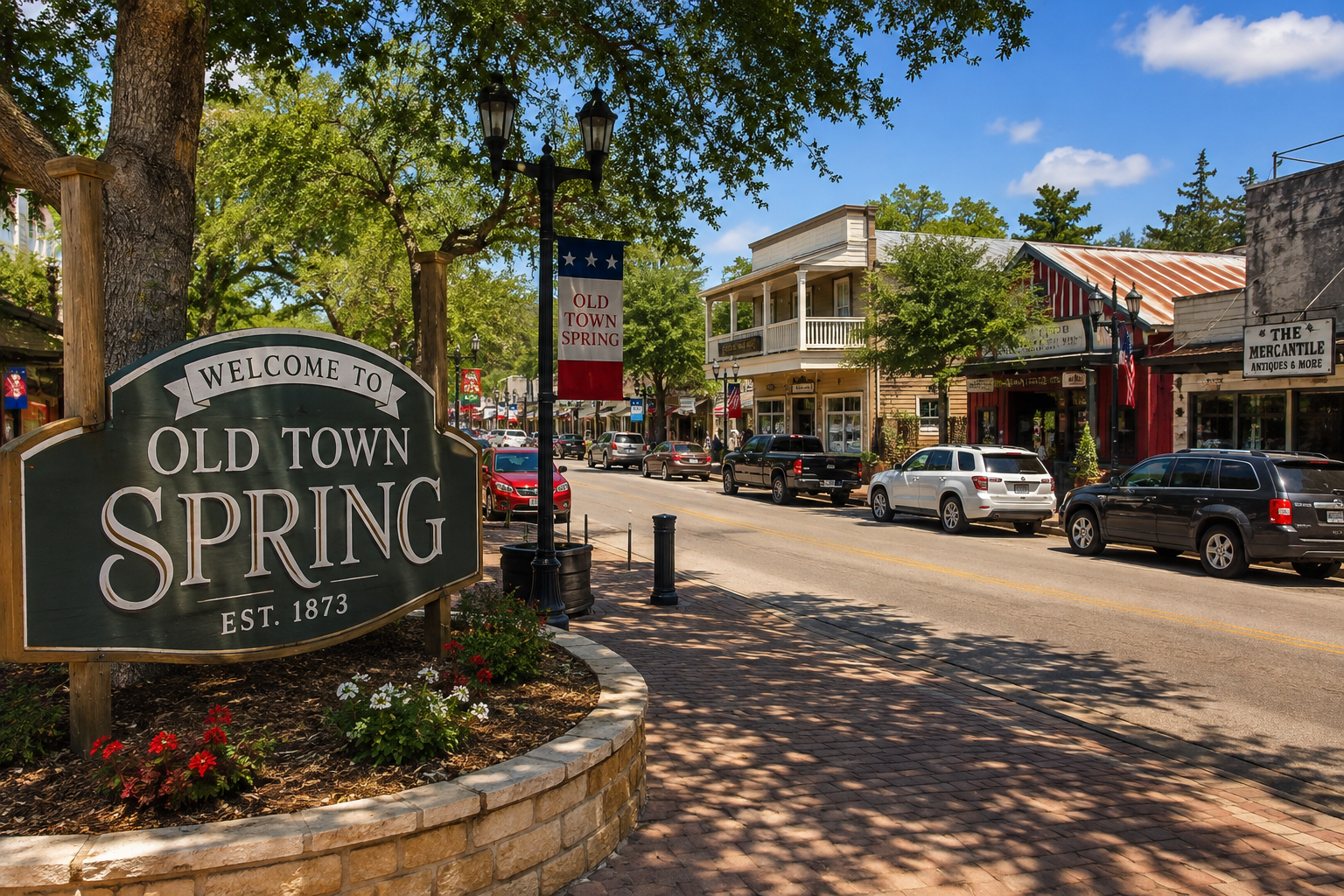
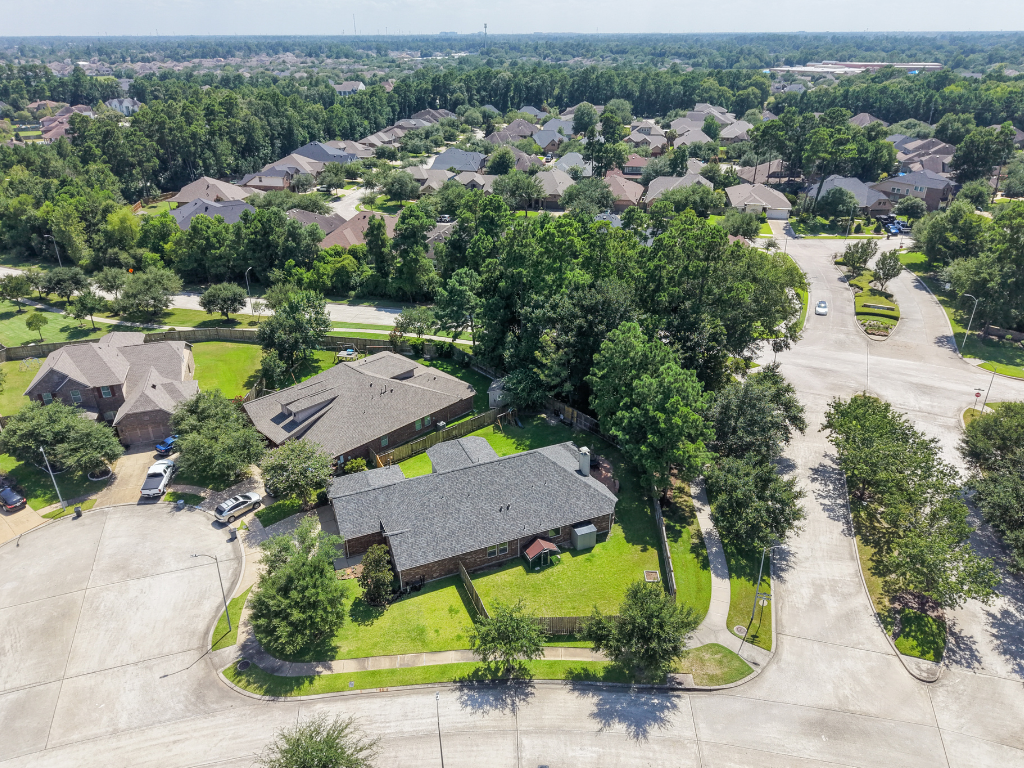
Home inventory across the Spring area reflects the same geographic diversity as everything else. Eastern and western Spring, closer to I-45, tend to have a higher concentration of established subdivisions built from the 1970s through the 2000s, generally on smaller lots with more mature trees and landscaping. Montgomery County communities like Imperial Oaks, Benders Landing, and Harmony lean newer, with more recent construction, larger homesites, and amenity-rich master-planned layouts. Creekside Park is almost entirely new construction, given its 2007 founding and ongoing build-out.
Across the broader area you'll find a genuine range: starter homes and townhomes in some pockets, larger custom and luxury properties on wooded acreage in others, and everything in between. Two listings both marked "Spring TX" can differ enormously in lot size, home age, HOA structure, and price point—which is exactly why relying on the city name alone the gauge what you'll find is a mistake. The neighborhood and school district tell you far more than the mailing address does.
Understanding School Districts When Moving to Spring, TX
Four districts serve areas with Spring mailing addresses, and none of them corresponds neatly to a single, easy-to-draw boundary:
- Spring ISD generally serves areas east of I-45 in Harris County.
- Klein ISD generally serves areas west of I-45 in Harris County, along with pockets that carry Spring and Tomball postal addresses.
- Conroe ISD generally serves the Montgomery County portion of the Spring area, including communities like Imperial Oaks and Benders Landing.
- Tomball ISD serves Creekside Park, the Harris County village of The Woodlands.
We're intentionally not ranking these districts or describing any of them as "better," because that's not a determination a real estate guide should make for you and district quality is a genuinely personal calculation based on your own priorities. What we will say is that school zoning in this area cannot be assumed from a mailing address, a ZIP code, or even which side of a particular road a home sits on. Boundaries are drawn property by property and do change over time as districts grow and rezone. Before you commit to a home based on assumed school zoning, verify the exact assignment for that address directly with the district or throughout the Texas Education Agency, and confirm it again close to closing, since boundary lines can be redrawn between when you start looking and when you move in.
What Should You Consider Before Choosing a Home in Spring?
A few questions worth answering early in your search:
What's your commute, specifically? Not "how far is Spring from Houston" in general, but how far a specific address is from your specific workplace, factoring in whether I-45, the Hardy Toll Road, or the Grand Parkway is your realistic route.
Which county do you want to be in? Harris and Montgomery County differ in tax rates and the local government handling your roads, permits, and law enforcement. That's a practical, ongoing part of homeownership, not a footnote.
What's the verified school zoning for a property you're considering—not the general area, but that specific address, confirmed directly with the district.
Do you want an established neighborhood or a newer master-planned community? Older neighborhoods closer to I-45 offer mature trees and shorter commutes into Houston. Newer Montgomery County communities offer larger lots, wooded settings, and amenity packages, generally with a longer drive to central Houston.
How much does proximity to The Woodlands matter to you—for shopping, dining, and entertainment, versus the different price points and homesite sizes you'll find further from it?
Frequently Asked Questions: Moving to Spring, Texas
Is Spring, TX a good place to live?
It depends heavily on which part of Spring you're considering, since the area spans multiple school districts, two counties, and housing styles ranging from established subdivisions to new master-planned communities. Most buyers find a strong fit once they narrow down which specific pocket of Spring matches their priorities for commute, schools, and lot size.
What should I know before moving to Spring, Texas?
The most important thing to understand is that "Spring, TX" is a mailing address covering a large, geographically diverse area rather than a single defined town—it isn't even an incorporated city. Your specific address, not the city name, determines your school district, county, and commute, so verify those details for any property you're seriously considering.
Is Spring, TX part of Houston?
Spring is not part of the city of Houston; it's an unincorporated community in the Houston metropolitan area, governed by Harris and Montgomery counties rather than a city government. It sits within the Houston-The Woodlands area and is commonly described as a Northwest Houston suburb, but is has no city hall or mayor of its own.
Is Spring, TX in Harris County or Montgomery County?
Both—the larger, more established portion of Spring sits in northern Harris County, while a smaller, faster-growing northern section extends into southern Montgomery County. Which county a given address falls in affects the property tax rate, school district, and which county government provides local services, so it's worth confirming for any specific property.
What school district is Spring, TX in?
There isn't one single answer, because Spring addresses fall across four different districts: Spring ISD and Klein ISD in Harris County, Conroe ISD in Montgomery County, and a section of Tomball ISD covering Creekside Park. School zoning should always be verified by the exact property address rather than assumed from the general area.
Is The Woodlands part of Spring, Texas?
Not officially—The Woodlands is a distinct master-planned community with its own township government but some Woodlands-area homes, including those in the village of Creekside Park, carry Spring mailing address. This overlap between postal designation and community identity is one of the most common sources of confusion for buyers researching the area from a distance.
What areas should I consider when relocating to Spring, TX?
That depends on your priorities: eastern Spring near I-45 and Old Town Spring offers established neighborhoods and shorter commutes into Houston; western Spring toward Klein offers a mix of long-established and newer development; Montgomery County communities like Imperial Oaks and Benders Landings offer newer construction and larger wooded lots; and The Woodlands offers established neighborhoods. Working through these differences with a local agent before you start touring homes can save considerable time.
Final Thoughts
"Spring, Texas" isn't a single neighborhood you can evaluate with one visit or one set of assumptions—it's a large, varied region where the mailing address tells you far less than the specific street does. The buyers who have the smoothest relocation experience are usually the ones who figure out which part of Spring fits their priorities—commute, county, school zoning, lot size, lifestyle—before they start seriously touring homes, rather than after.
That's the conversation we have with nearly every relocating buyer who reaches out to Southern Heritage Realty about Spring. We work across Montgomery County and the surrounding North Houston region, and our first step with an out-of-area client is almost always the same one covered in this guide: narrowing down which version of Spring actually matches how you want to live, then building a home search around that specific area instead of the ZIP code alone. If you're relocating to Spring, TX or anywhere in the surrounding Montgomery County and North Houston area, reach out to Southern Heritage Realty—we're glad to walk through the different areas with you and help you figure out where to start looking.
Check out this article next